搜索
首页
亚新官网入口 - 亚新官网入口(中国)股份有限公司
公司简介
领导致辞
资质荣誉
组织架构
分支机构
合作伙伴
业务领域
经典案例
房建工程
装饰装修
建筑幕墙
地基基础
园林绿化
消防工程
新闻资讯
公司新闻
荣翔风采
建筑百科
行业动态
企业文化
企业文化
社会责任
人力资源
联系我们
企业概况
Company profile
亚新官网入口 - 亚新官网入口(中国)股份有限公司
以建筑工程总承包为核心,装修装饰、建筑幕墙、消防设施
等多元化的大型综合性建筑企业
MORE
业务领域
Business area
01
建筑工程施工总承包
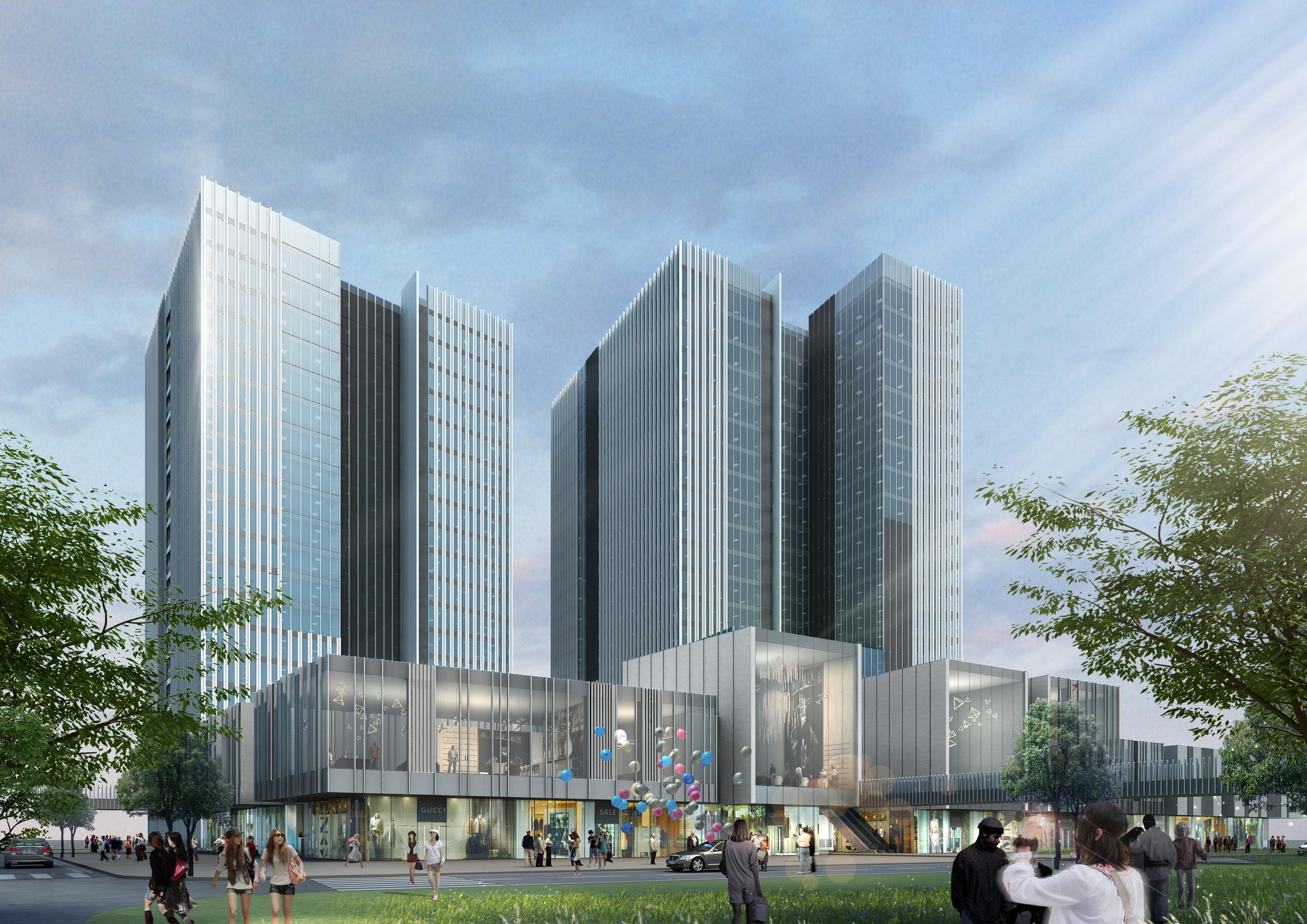
可承担各类型的建筑工程施工 可从事资质证书许可范围内相应的建设工程总承包业务以及项目管理和相关的技术与管理服务
02
建筑装修装饰工程专业承包
可承担各类建筑装修装饰工程,以及与装修工程直接配套的其他工程的施工 可从事资质证书许可范围内相应的建筑装修装饰工程专业承包业务以及项目管理和相关的技术与管理服务
03
建筑幕墙工程专业承包
可承担各类型的建筑幕墙工程施工 可从事资质证书许可范围内相应的建筑幕墙工程专业承包业务以及项目管理和相关的技术与管理服务
04
地基基础工程专业承包
可承担各类型的地基基础工程施工 可从事资质证书许可范围内相应的地基基础工程专业承包业务以及项目管理和相关的技术与管理服务
05
园林绿化工程承包
可承揽各类园林绿化工程、园林景观人行桥梁、码头以及园林设施、设备安装项目等、各种规模以及类型的园林绿化养护管理工程、可从事园林绿化苗木、花卉、草坪的培育、生产和经营
06
消防工程工程专业承包
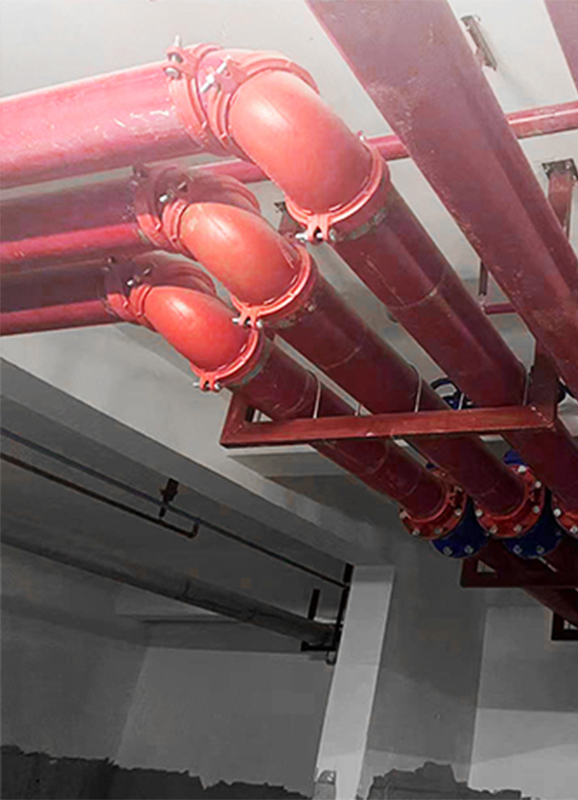
可承担各类型消防设施工程的施工 可从事资质证书许可范围内相应的消防工程工程专业承包业务以及项目管理和相关的技术与管理服务
新闻资讯
News information
公司新闻
荣翔风采
建筑百科
行业动态
更多资讯
亚新官网入口 - 亚新官网入口(中国)股份有限公司!荣翔建筑顺利通过 “安全生产许可证” 延期申请
2022.04.22
封顶大吉| 以日夜躬耕雕琢品质,以精工坚守不负期待
2021.12.13
22
2022-04
亚新官网入口 - 亚新官网入口(中国)股份有限公司!荣翔建筑顺利通过 “安全生产许可证” 延期申请
13
2021-12
封顶大吉| 以日夜躬耕雕琢品质,以精工坚守不负期待
年关佳音至,满京华艺展天地广场桩基础与主体工程项目主体结构封顶! 年关佳音至!2021年12月13日上午,荣翔建筑承接的满京华艺展天地广场桩基础与主体工程项目随着最后一方混凝土顺利浇筑,3#主体结构喜封金顶。标志着项目建设取得阶段性胜利,着手进入竣工验收阶段。 从一纸蓝图到1#、2#、3#楼主体封顶,从钢筋混凝土、砌筑到主体呈现,每一砖、每一方砼、每道工序都凝结着建设者的心血和汗水。满京华艺展天地广场桩基...
26
2021-11
王嘉尔TEAMWANG限时概念空间精装修工程正式揭幕!
由亚新官网入口 - 亚新官网入口(中国)股份有限公司精心打造的王嘉尔厂牌TEAM WANG限时概念空间(深圳万象天地快闪店)正式揭幕!工程概况:王嘉尔TEAM WANG限时概念空间位于深圳市南山区万象天地·水广场,施工面积约600平方米。主要施工内容有主体钢结构施工、外围钢丝网火山石造型施工、采光屋面及立面隔墙施工、室内装饰、空调租赁安装、音响租赁安装等。采用中国象棋与棋局的设计概念,是匠心精神和时尚潮流的完美碰撞。 Δ...
26
2021-11
回顾2021荣翔建筑开展“安全生产月” 活动
按照《国务院关于开展2021年全国“安全生产月“活动的通知》精神,我司高度重视,成立了安全生产月活动领导小组和制定了活动方案,结合建筑业实际,开展了形式多样的活动,狠抓宣传活动,着力普及安全生产知识教育,突出重点抓好施工现场安全生产专项治理,杜绝安全生产事故。小标题:认真开展宣传教育活动,营造良好的社会氛围今年安全生产月活动主题是“落实安全责任,推动安全发展”。紧紧围绕这一主题,广泛深入开展安全生产宣...
22
2021-07
深圳建筑业协会领导莅临我司走访调研
2021年7月22日上午,深圳建筑业协会安全分会部长黄友义、副部长何锦琼、秘书李小松、办公室秘书周业兢一行到我司(亚新官网入口 - 亚新官网入口(中国)股份有限公司)拜访调研。公司总经理吴清涛及部分职能部负责人对协会领导一行的到来表示欢迎。
2021年06月10日生日会
2021.06.10
浓情端午2021
2021.06.09
10
2021-06
2021年06月10日生日会
时光虽忙碌,可我们欢乐相聚,香甜的生日蛋糕,丰富的水果点心,寿星们欢聚一堂,言语中无不透露着家人般的温暖和关怀,一句句真诚的问候,一声声来自全体同事的祝福,“寿星们”脸上洋溢着幸福的笑容,伴随着欢快的生日祝歌,大家一同许下生日愿望。
09
2021-06
浓情端午2021
荣翔公司为进一步弘扬和发展优秀传统文化,激发职工爱国情怀,增强职工文化自信,锻造钢铁文化,推动企业文化建设,端午节期间,按照公司领导指示,6月9日,在传统节日端午节即将到来之际,公司为在职员工发放了节日慰问礼品,把公司对员工的关爱与祝福落到实处。祝福大家渡过一个祥和美好的节日。
22
2020-11
2020年11月21-22日趣味清远团队建设活动
为了丰富员工的业余生活、缓解员工的工作压力,将迎来一场特别拓展活动,也许一场的碰撞、摩擦,换来的就是一段长长的友情、感情,我们“家”的故事从今天正常开启.........
15
2020-10
2020年10月15日生日会
本次活动主题为“深圳荣翔建筑2020年度第四季度员工生日会”,首先衷心感谢公司给予员工们的福利,其次也感谢您对公司发展作出的努力和贡献,在这个特别日子,荣翔建筑全体同仁向您致以深深的祝福,祝您生日快乐、身体健康、阖家幸福!
一名优秀的项目经理,每天都在忙什么?想什么?
2021.11.28
工程投标中常犯的115个标书错误,建议收藏!
2021.11.28
28
2021-11
独立基础施工工艺图文详解
施工顺序:清理基坑及抄平→混凝土垫层→基础放线→钢筋绑扎→相关专业施工→清理→支模板→清理→混凝土搅拌→混凝土浇筑→混凝土振捣→混凝土找平→混凝土养护→模板拆除1、清理基坑及抄平清理基坑是清除表层浮土及扰动土,不留积水。抄平是为了使基础底面标高符合设计要求,施工基础前应在基面上定出基础底面标高。2、垫层施工地基验槽完成后,应立即进行垫层混凝土施工,在基面上浇筑C10的细石混凝土垫层,垫层混凝土必须振捣...
27
2021-11
钢筋种类你都知道吗,它竟然有8种
钢筋种类很多,通常按化学成分、生产工艺、轧制外形、供应形式、直径大小,以及在结构中的用途进行分类,下面我们主要整理一下按使用用途的分类!1.受力筋指布置在梁或板的下部.承受拉力的那部分钢筋及抗剪切的起弯筋.吊筋等。怎么样区分板的受力筋跟分布筋?(1)以板的开间、进深跨度区分:如果是单项板,那么平行于短跨方向的钢筋是受力筋,平行于长跨方向的钢筋是架立筋。如果是双向板,那么长跨、短跨方向的钢筋全部是受力筋。...
23
2021-11
建议收藏!施工现场“九牌一图”完整示例
经常出入建筑工地,关于建筑工地的“九牌一图”你真的了解吗?下面给大家整理了关于它们的一些知识,共同学习。“九牌一图”示例(本文为通用版本,本地主管部门有要求时,需按本地主管部门要求设置)一、安全宣传牌二、施工人员概况牌项目经理: 项目副经理:技术负责人: 安全负责人:材料负责人: 核算负责人:资料负责人...
22
2021-11
隐蔽工程验收要点61条,施工、甲方、监理必须要知道!
隐蔽工程一般是指地基、电气管线、供水供热管线等需要覆盖、掩盖的工程。由于隐蔽工程在隐蔽后,如果发生质量问题,还需要重新覆盖和掩盖,会造成返工等非常大的损失,因此,为了保证工程的质量和工程顺利完成,常进行隐蔽工程验收。以下总结有关隐蔽工程验收的61条要点,到位!隐蔽工程验收流程(1)隐蔽工程开工前,应由项目部负责对其所用材料进行检验,检验内容包括:厂家提供的材质证明、外观检查、抽样试验以及项目部进行的复...
22
2021-11
项目总工的年终工程总结,走心好文!
导语项目总工作为项目部的“总参谋长”,日常工作繁杂,工作内容多、任务重,他们如何理清思路把握重点?一起来看看这位项目总工的述职报告,内容仅供参考!一、上一个工程总结1、土方开挖及回填土施工 在建工程的3#楼基坑开挖期间遇到大雨,东北角边坡塌陷。后来总结问题的原因,五四体育馆排水管道漏水、边坡边缘硬化没到位、五四体院馆屋面排水管道水直接排在边坡地面上,水渗入边坡内。建筑施工是一个过程管理,只...
21
2021-11
新基建重点领域有哪些?一图明了
每一轮科技革命都孕育新的基础设施建设,每一轮基础设施建设都引领新的经济转型升级。当前,在全球范围内以新一代信息技术为代表的科技革命正在加速演进,带动数字化、网络化、智能化的新型基础设施加快发展,强化数字转型、智能升级、融合创新支撑,推动生产方式、生活方式、科研范式、商业模式深刻变革。
29
2021-10
关于《广东省绿色建筑创建行动实施方案(2021-2023)》的解读
为贯彻落实习近平生态文明思想和党的十九大精神,2019年10月,国家发展改革委印发了《绿色生活创建行动总体方案》的通知(发改环资〔2019〕1696号),提出了开展“绿色建筑创建行动”。2020年7月,住房和城乡建设部 国家发展改革委 教育部 工业和信息化部 人民银行 国管局 银保监会联合印发《绿色建筑创建行动方案》(建标〔2020〕65号,以下简称《通知》)。7月28日,住房和城乡建设部召开视频会议,要求各地要尽快依据《...
12
2021-10
中共中央 国务院印发《国家标准化发展纲要》!这些与建设领域相关!
助推新型基础设施提质增效。实施新型基础设施标准化专项行动,加快推进通信网络基础设施、新技术基础设施、算力基础设施等信息基础设施系列标准研制,协同推进融合基础设施标准研制,建立工业互联网标准,制定支撑科学研究、技术研发、产品研制的创新基础设施标准,促进传统基础设施转型升级
国务院:清理招投标、政府采购等领域不合理设置,下放部分二级资质审批权限!第一批改革试点城市确定
2021.11.25
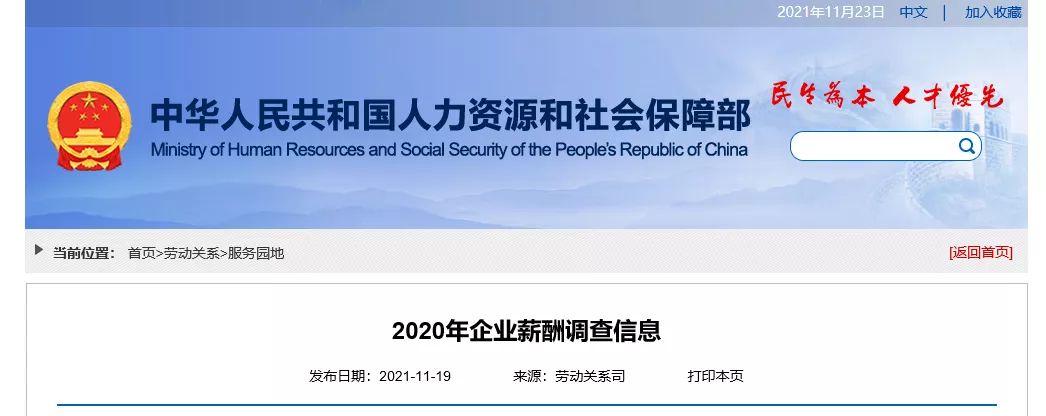
人社部公布2020年企业薪酬调查信息!建筑业相关职业人员工资价位如何?
2021.11.24
14
2021-11
国务院:坚决停批停建不符合规定的项目!严把高耗能高排放项目准入关口
近日,中共中央 国务院发布《关于深入打好污染防治攻坚战的意见》,指出: 1.以能源、工业、城乡建设、交通运输等领域和钢铁、有色金属、建材、石化化工等行业为重点,深入开展碳达峰行动。 1.坚决遏制高耗能高排放项目盲目发展。严把高耗能高排放项目准入关口,严格落实污染物排放区域削减要求,对不符合规定的项目坚决停批停建。 1.推进钢铁、水泥、焦化行业企业超低排放改造,重点区域钢铁、燃煤机组、燃煤锅...
18
2021-09
住房和城乡建设部办公厅关于全面实行一级建造师电子注册证书的通知
各省、自治区住房和城乡建设厅,直辖市住房和城乡建设(管)委,新疆生产建设兵团住房和城乡建设局,国务院有关部门建设司(局),中央军委后勤保障部军事设施建设局,有关中央企业: 为扎实推进“我为群众办实事”实践活动,深化建筑业“放管服”改革,进一步提升政务服务规范化、便利化水平,我部决定在全国范围内实行一级建造师电子注册证书(以下简称电子证书),并开展延续注册工作。现将有关事项通知如下:一、工作内容(一...
02
2021-09
广东省住房和城乡建设厅关于开展建筑业企业施工劳务资质备案工作的通知
各地级以上市住房城乡建设主管部门,各有关企业: 按照《国务院关于深化“证照分离”改革进一步激发市场主体发展活力的通知》(国发〔2021〕7号)、《住房和城乡建设部办公厅关于做好建筑业“证照分离”改革衔接有关工作的通知》(建办市〔2021〕30号)要求,自2021年7月1日起,我省建筑业企业施工劳务资质由审批制改为备案制,由企业工商注册所在地级以上市住房城乡建设主管部门负责办理备案手续。现就建筑业企业施工劳务资质实...
29
2021-06
住房和城乡建设部办公厅关于做好建筑业 “证照分离”改革衔接有关工作的通知
各省、自治区住房和城乡建设厅,直辖市住房和城乡建设(管)委,北京市规划和自然资源委,新疆生产建设兵团住房和城乡建设局,国务院有关部门建设司(局),中央军委后勤保障部军事设施建设局,国资委管理的中央企业:为贯彻落实《国务院关于深化“证照分离”改革进一步激发市场主体发展活力的通知》(国发〔2021〕7号)要求,深化建筑业“放管服”改革,做好改革后续衔接工作,现将有关事项通知如下:一、按照国发〔2021〕7号文件...
02
2020-12
住房和城乡建设部关于印发 建设工程企业资质管理制度改革方案的通知
为贯彻落实2019年全国深化“放管服”改革优化营商环境电视电话会议精神和李克强总理重要讲话精神,按照《国务院办公厅关于印发全国深化“放管服”改革优化营商环境电视电话会议重点任务分工方案的通知》(国办发〔2019〕39号)要求,深化建筑业“放管服”改革,做好建设工程企业资质(包括工程勘察、设计、施工、监理企业资质,以下统称企业资质)认定事项压减工作,现制定以下改革方案。
21
2017-02
国务院重磅文件:解决工程款拖欠、 明确资质改革方向、推进统一市场
2017年2月21日,国务院印发《关于促进建筑业持续健康发展的意见》(国办发〔2017〕19号),该《意见》进一步明确建筑业改革的方向,在建筑业发展史上将具有重要里程碑意义! 行业关注 第一、建筑业发展将得到政府更多的关注与支持。 1、相比2014年住房和城乡建设部印发的《住房城乡建设部关于推进建筑业发展和改革的若干意见》,本次国务院直接出台《意见》,显然层次更高,将...
19
2016-09
国务院决定:大力发展钢结构、混凝土等装配式建筑,推动产业结构升级
国务院总理李克强9月14日主持召开国务院常务会议,部署加快推进“互联网+政务服务”,以深化政府自身改革更大程度利企便民;决定大力发展装配式建筑,推动产业结构调整升级。 会议指出,加快推进“互联网+政务服务”,是深化简政放权、放管结合、优化服务改革的关键之举,有利于提高政府效率和透明度,降低制度性交易成本,变“群众跑腿”为“信息跑路”、变“企业四处找”为“部门协同办”。一要优化再造服务流程。各地区、...
您是否有一个项目构想?
联系我们,我们一起合作创造!
0755-88303688
深圳市福田区新洲十一街139号中央西谷大厦21楼
rongxjyb@rongx.vip
亚新官方网站
|
云开体育(中国)有限公司
|
博鱼手机官网(中国)责任有限公司
|
极速电竞中国股份有限公司官网
|
米博体育
|
欧亿体育平台|中国有限公司官网
|
亚盈体育电竞(中国)有限公司官网
|
非凡体育(中国)责任有限公司
|
欧宝买球-欧宝买球官方网站(中国)有限公司
|